
Our Location
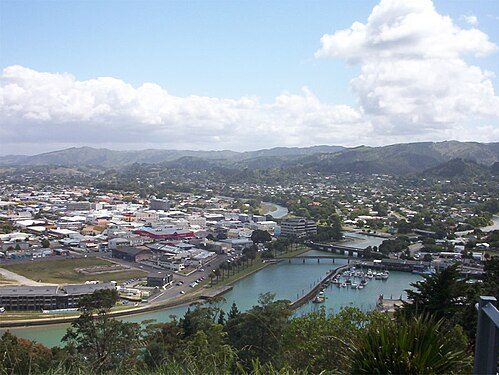
Gisborne, New Zealand
A coastal regional city — first to see the sun and known for its rivers, vineyards, and relaxed pace.
Where every sunrise begins a new day before the rest of the world
On New Zealand’s eastern edge, Gisborne is the country’s first city to greet the sun.
Set between hills, rivers, and the Pacific, it’s a compact regional centre known for its light, space, and sense of community.
Geography & Setting
Where fertile plains meet Pacific surf and rolling forested hills.
Gisborne Tairāwhiti lies on the north side of Poverty Bay, surrounded by fertile flats and forested hills. It’s sometimes called the City of Rivers — the Waimata, Taruheru and Tūranganui meet in the city before reaching the sea.
Neighbourhoods like Mākaraka, Matawhero and Ormond are framed by vineyards and farms, while long white-sand beaches — Waikanae, Midway, Wainui, Makorori — trace the coastline. Above the bay, Kaiti Hill (Titirangi) offers a clear view across the city and out to the Pacific.
Climate
Mild, dry summers and bright winters — around 2 200 hours of sunshine each year.
Gisborne Tairāwhiti averages around 2,200 hours of sunshine each year — brighter than most major European cities and comparable to Barcelona. The climate is temperate oceanic:
- Summer (Dec–Feb) 27–30 °C, dry and settled
- Autumn warm, calm, and golden
- Winter 14–16 °C by day, frosts uncommon
- Spring fresh, bright, with regular coastal breezes
Sheltered by inland ranges, the area is reliably mild — suited to outdoor activity and year-round viticulture.
At 38° 39′ S, Gisborne Tairāwhiti sits on a similar latitude to Geelong, Australia and Mar del Plata, Argentina — part of the same mid-latitude coastal climate band that mixes sunlight with moderate seasonal change.
Live Tide and Weather Information
Click on the image below to the NZ Met Service live weather and tide information for the Gisborne Tairāwhiti area – a new page will open.

Gisborne Tairāwhiti At A Glance – Key Facts
Population, housing, affordability, and sunlight — Gisborne in numbers.
| Gisborne Tairāwhiti | New Zealand Average | |
| Population (2025) | ~38,000 | 5.3 million |
| Sunshine Hours (Annual) | ~2,200 hours | ~1,900 hours |
| Average House Value (March 2025) | NZ$549,571 | NZ$787,170 |
| Average Weekly Rent (2025) | NZ$561 | NZ$580 |
| Rent as a % of Income | 4.6x | 6.5x |
Source: Infometrics NZ, March 2025
Economy & Infrastructure
Regional industries, port links, and city-centre revitalisation.
Gisborne’s economy combines agriculture, horticulture, forestry, wine production and fishing, with port facilities supporting export of logs and produce.
The city’s airport provides regular flights to Auckland and Wellington, and State Highways 2 and 35 connect it with Napier, Whakatāne and the East Cape.
Most commutes take less than ten minutes.
The Gisborne District Council and Trust Tairāwhiti are leading a city-centre revitalisation programme that includes upgraded streetscapes, planting, restored heritage façades, and public art installations.
Education
Primary to tertiary schooling options across the district.
Schooling is well established and accessible.
Primary and intermediate:
A network of public schools and kura kaupapa Māori serve the city and surrounding suburbs.
Secondary:
- Gisborne Boys’ High School
- Gisborne Girls’ High School
- Lytton High School (co-educational)
- Campion College (Catholic, Years 7–13)
Post-secondary education is available through EIT | Te Pūkenga Gisborne Campus, which offers applied and vocational programmes.
Lifestyle & Recreation
Outdoor living, community sport, and local arts.
The region’s scale and climate make outdoor recreation part of daily life. Beaches are close, traffic is light, and public spaces are open and uncrowded.
Cultural life includes the Te Tairāwhiti Arts Festival, Tamararo Kapa Haka Regionals, exhibitions at Tairāwhiti Museum, and music events such as Rhythm & Vines. Sports clubs cover rugby, netball, cricket, football, rowing, and surf lifesaving.
Weekend Outing Ideas – “See & Do Out East”
Beaches, vineyards, hiking trails and festivals within easy reach.
- Surf the sunrise at Wainui or Midway Beach
- Hand-feed stingrays at Tatapouri Reef
- Cycle or rail-bike the Gisborne–Wairoa coastal line
- Walk Titirangi / Kaiti Hill for panoramic views
- Visit Eastwoodhill Arboretum or Hackfalls Arboretum
- Explore local vineyards such as Matawhero and Wrights
- Join a local gig, market, or art show
- Fish, dive or paddle in Poverty Bay
- Sample craft beer at Sunshine Brewery or eat out at Crawford Road Kitchen
Recommended videos from Tairāwhiti Gisborne:
Active Out East
Come See Why
Explore Out East
Overview
Gisborne Tairāwhiti combines a small-city pace with access to coast, countryside, and culture.
The combination of sunlight, manageable housing costs, and genuine community gives the region a distinctive character within New Zealand’s North Island.
Page reviewed: November 2025 | Sources: Infometrics NZ (2025), Tairāwhiti Gisborne DC (2025)
This regional information is published exclusively for CareVets Gisborne in collaboration with VetClinicJobs. Reviewed November 2025.